












Introduction
A kitchen that works well can change the feel of a home. It keeps days running smoothly, gives everyone space to move, and makes time with others a bit easier. But that kind of balance doesn’t happen by accident. It comes from careful planning and honest thinking about what you need now and what might change later.
Fitted kitchens in Sunderland have their own set of needs, shaped by the age of the homes, the way space is used, and the weather that can creep into plans at certain times of year. If the space is designed thoughtfully from the start, it’s more likely to work well for years instead of just looking good for a while. The key is starting with what matters most, taking your time to figure out the details, and making choices that match real life.
Planning for How You Use the Space
A great kitchen doesn’t just look good. It handles day-to-day life with ease. That starts with being honest about how you use it. Is it mainly for cooking, sharing meals, working, or all three at once? The layout should reflect what actually happens there, not an ideal that never plays out.
• Start with flow. Think about how you move between the hob, fridge, and sink. These are the most-used zones, and they should feel connected but not cramped.
• Consider who’s in the space and when. Big families, quick breakfasts, solo cooking, each brings its own patterns. Keep walkways clear and layouts flexible enough to work with what you have.
• While planning, take into account the time you spend there. If it’s the busiest room in the house, it should feel easy to clean and easier to move through. If it’s a quiet space, the setup might focus more on calm and comfort.
The more you design around daily habits, the more the kitchen will do the work for you.
Choosing Layouts That Last
Not every kitchen suits every shape. Picking the right layout is one of the first decisions, but it’s worth taking time to think it through. The structure of many Sunderland homes varies widely. Some are older with tricky corners or uneven walls. Others are more modern but feel narrow or boxed-in. The layout should work with these limits, not fight against them.
• Common options include galley, U-shaped, L-shaped, or open-plan setups. Each one brings a different rhythm to the room.
• Galley kitchens keep everything within reach, but can feel tight if there’s too much foot traffic. L-shaped ones give a sense of space but may need tall storage to make the most of wall areas.
• Open-plan kitchens are great for gathering or multitasking, but they need strong zoning to keep clutter and noise from spreading. Closed kitchens give more privacy and often suit smaller homes where open layouts might feel overwhelming.
A good layout makes sense the moment you step into the room. It clears the way for everything else to fall into place naturally.
Kitchen Studio designs fitted kitchens for homes large and small, adapting to original wall shapes and finding solutions for everything from open-plan to galley setups.
Picking Materials That Handle Wear and Tear
Kitchens take a fair bit of daily impact. From steam to footsteps, spills to sharp drops, the materials you choose will either hold steady or start to show strain too early. This matters even more when thinking about fitted kitchens in Sunderland, where cool and damp days can leave long-term signs on surfaces that weren’t meant to handle them.
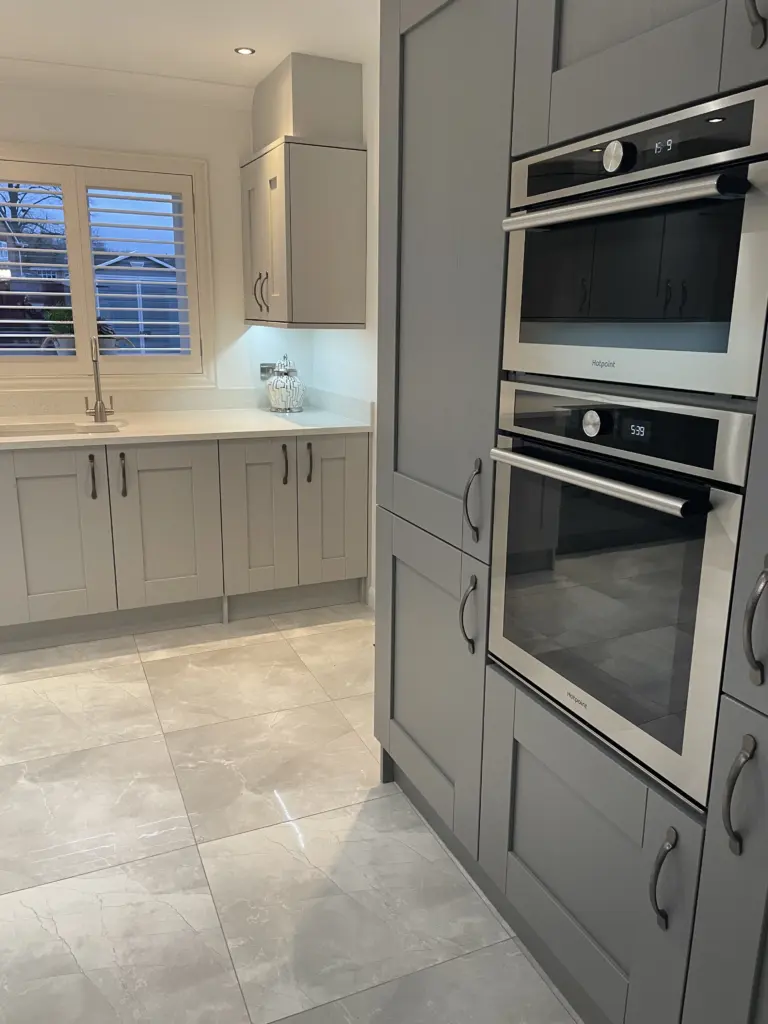
• Doors and drawer fronts need to resist splashes, knocks, and fingerprints. Gloss finishes can reflect light and open up tight spaces. Matt or wood-style options bring warmth and can hide marks better.
• Worktops should be heat-resistant and up for a bit of pressure. Look for surfaces that don’t chip easily and can be cleaned with a simple wipe.
• Flooring should grip well when wet and bounce back from scuffs. Tiles and well-sealed laminates often hold up best where people come and go often.
Long-lasting materials are about more than looks. They make day-to-day life easier and give the whole kitchen a more solid, reliable feel.
Storage That Works from Day One
Storage often feels like an afterthought, but it can make or break how the kitchen works over time. A neat space isn’t just nice to have, it helps with focus, movement, and how quickly you can get things done. Whether the kitchen is small or spacious, smart storage makes all the difference.
• Pull-out shelves let you reach the back of cupboards without digging.
• Built-in bins keep rubbish out of sight and are easy to empty with one hand.
• Corner units with swinging shelves or carousels take advantage of tricky spots that might otherwise go wasted.
• Tall cupboards can hold extras up high and leave lower areas for everyday use.
What works today might not work next year unless the storage grows with you. Objects change, needs change. It helps to leave some storage areas a bit open to shift things around, as life outside the kitchen shifts too.
Kitchen Studio offers practical kitchen storage solutions like tall larders and custom-designed corner units, maximising every section of available space.
Planning for Light, Power, and Movement
We often think of light and power as things that just exist. But good planning around both can make the biggest difference in how a kitchen feels and functions.
• Natural light brings calm and helps with tasks. If the kitchen has small windows or is north-facing (a common case in some older Sunderland homes), it helps to reflect that light using lighter finishes, gloss units, or clever mirror placement.
• Lighting zones matter more than one bright bulb overhead. Mixing overhead lighting with task lights under cabinets lets you see what you’re doing without casting shadows.
• Sockets need to go where tools actually get used. That means having enough space near worktops for kettles, blenders, and charging points, without cluttering corners.
• Space for movement matters too. Keep walkways wide enough to pass without turning sideways. Avoid placing doors or fridge units where they’ll block someone mid-meal prep.
These details may seem small, but they shape the daily rhythm of the space and how easily every task flows from start to finish.
Designed to Last: Choices That Stand the Test of Time
When planning a kitchen that goes the distance, we focus on calm, strong design choices that match real habits at home. That includes choosing layouts built around movement, materials that stay solid under pressure, and storage that builds flexibility into the way space gets used over time.
Good design supports everyday life instead of getting in its way. It means fewer stops to fix things that don’t quite fit, cleaner surfaces that stay that way without too much fuss, and a space that feels just right whether you’re rushing through breakfast or settling into a quiet evening. Careful planning pays off long after the last screw is turned. When things feel steady from the start, the kitchen becomes one less thing to think about.
At Kitchen Studio Sunderland, we know that finding the right style can make all the difference in how your home feels day to day. High gloss is a popular choice across the North East for its smooth, light-reflecting surface and easy upkeep, especially if space or natural light is at a premium. To see how this look might work as part of your plans for fitted kitchens in Sunderland, browse our gallery and send us a message for advice or to share your ideas.